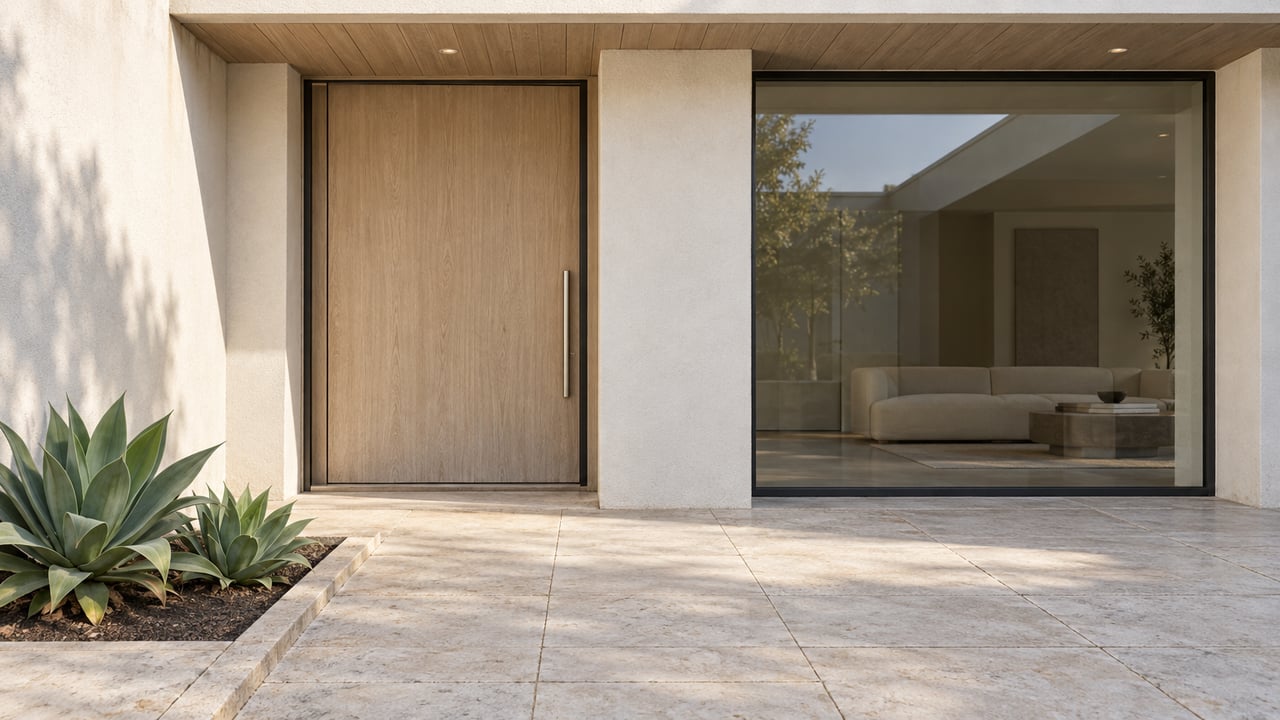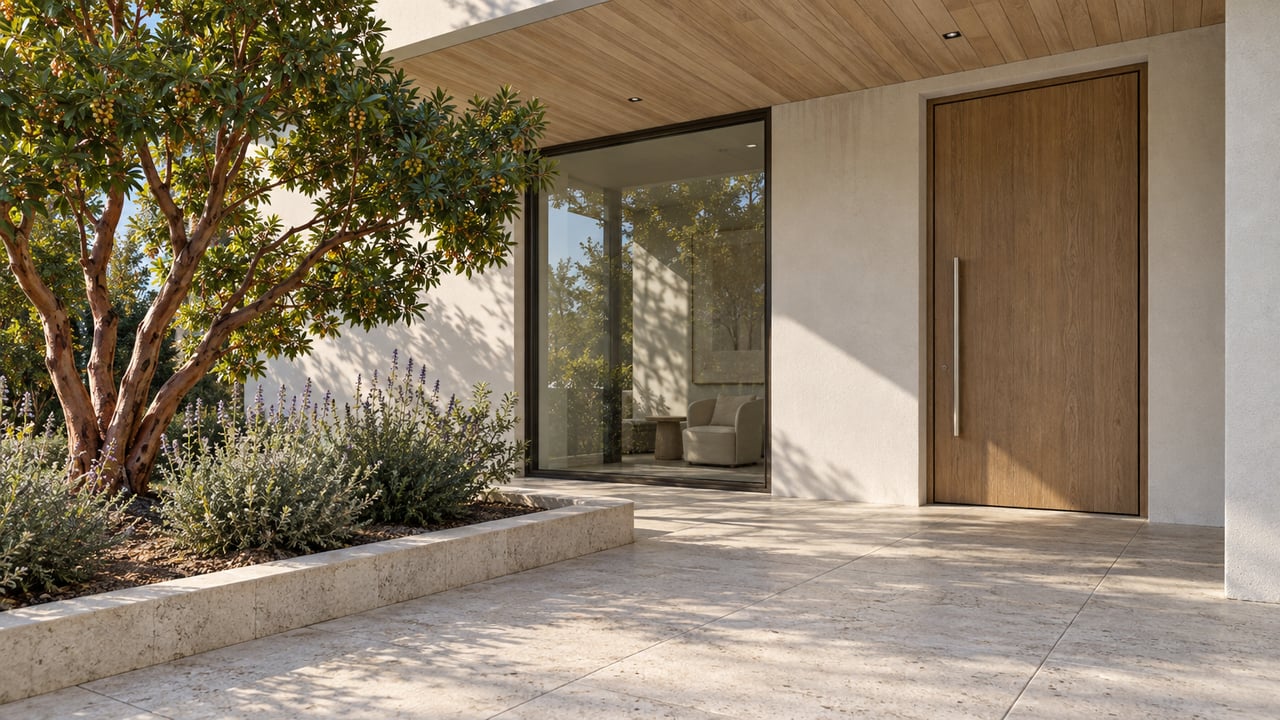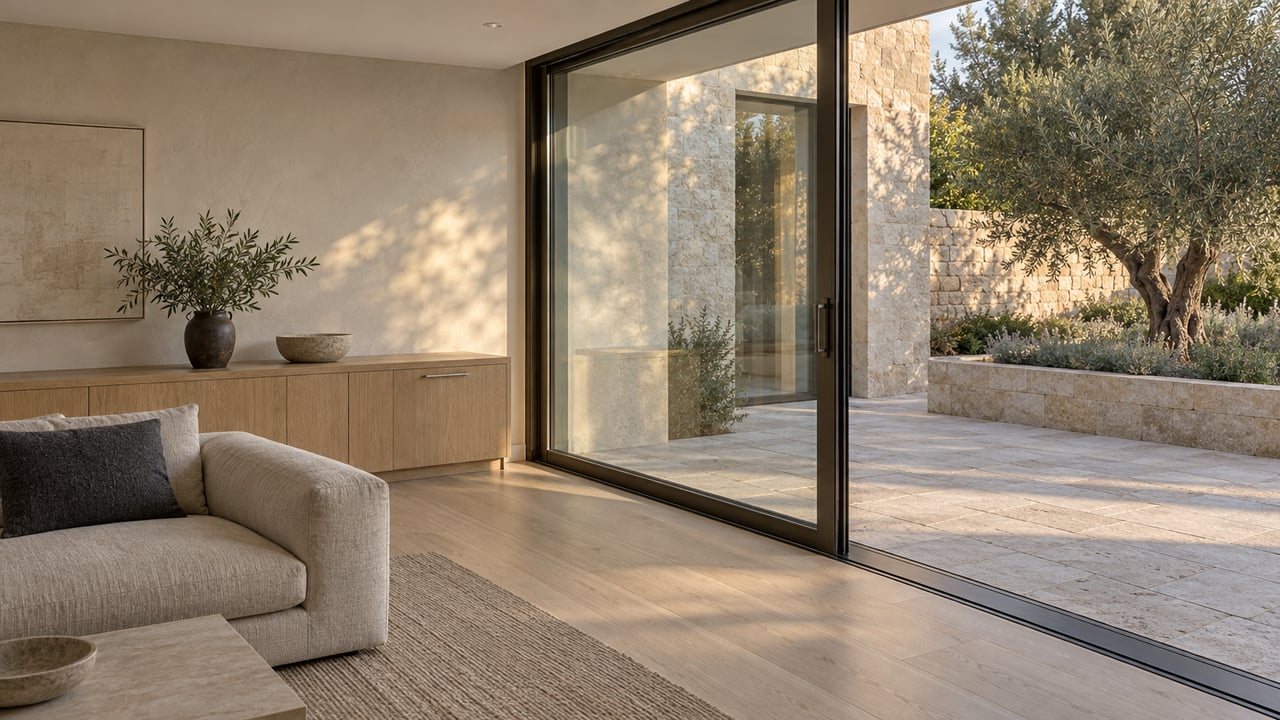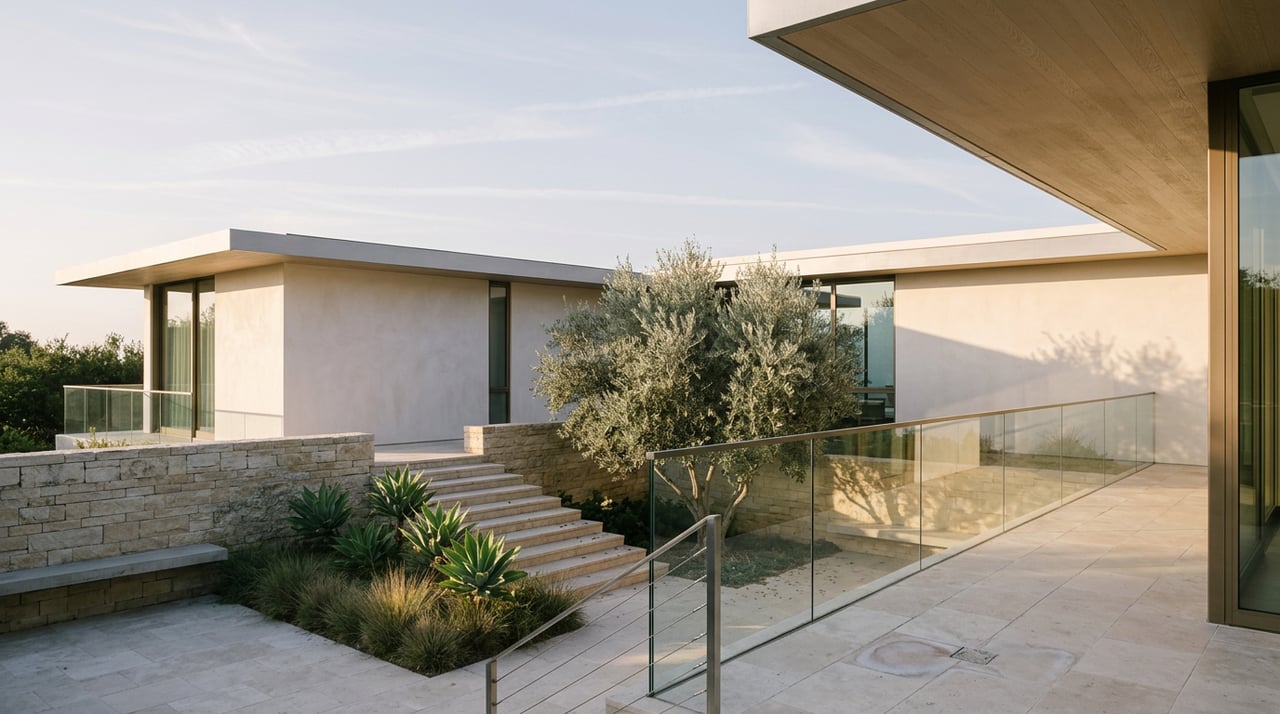
If you are looking for a true value-add investment in Agoura Hills, you need a different lens than you would use in a discount market. This is a premium, mostly owner-occupied community where upside often comes from better design, smarter use of space, and careful due diligence rather than buying the cheapest house on the block. When you understand where value tends to hide, and where local constraints can quickly change your numbers, you can shop more strategically. Let’s dive in.
Why Agoura Hills attracts investors
Agoura Hills sits in an interesting position for buyers who want long-term upside in a canyon and suburban setting near Malibu’s broader orbit. The city’s housing element places its September 2021 median single-family value at $1.36 million, which is below Malibu but above Thousand Oaks, Los Angeles City, and Los Angeles County.
That pricing context matters. Agoura Hills is not typically a market where investors find deep discounts or easy land plays. Instead, the opportunity is often in buying older housing stock with untapped potential and improving it in a way that fits the lot, the zoning, and the neighborhood context.
The city is also a largely ownership-driven market. Census data shows an 81.8% owner-occupied housing rate, a median owner value of $1,098,000, a median gross rent of $3,218, and a median household income of $171,302.
What value-add usually means here
In Agoura Hills, value-add usually does not mean a dramatic teardown or a speculative entitlement play. More often, it means finding a home with dated finishes, an awkward layout, underused garage space, or a lot that may support a compliant ADU or modest expansion.
The local housing stock supports that idea. The city reports that 83% of housing is single-family, and 89% of the stock was built before 1989, with much of it dating to the 1970s and 1980s.
That age profile creates opportunity for updates that feel meaningful to today’s buyers and renters. A property may not need a full heavy rehab to improve value if the real issue is an older floor plan, tired kitchen and baths, or inefficient use of indoor and outdoor space.
The city also notes that code-enforcement issues tend to involve aesthetic concerns, outdoor storage, overcrowding, and setback encroachments rather than widespread structural failure. That is useful if you are trying to separate cosmetic upside from a property that may carry more serious compliance risk.
Best property types to watch
Older single-family homes
Older single-family homes are often the clearest value-add candidates in Agoura Hills. Because the market is heavily weighted toward detached homes, these properties can offer the most flexibility for interior renovations, layout improvements, and possible income-oriented additions.
In a market with relatively high home values, even modest improvements can matter if they align with what local buyers and renters actually want. Updated kitchens, better primary suites, flexible office space, and more usable outdoor living can all strengthen a property’s position.
Townhomes and attached homes
Attached single-family homes and townhomes can also be worth a close look, especially if you want a simpler renovation scope. Cosmetic updates in these properties may be easier to underwrite than projects that depend on major exterior changes or lot work.
Because Agoura Hills has limited multifamily inventory, attached housing can fill an important role for renters and buyers seeking a lower-maintenance option. The city’s housing element notes that multifamily growth has been relatively concentrated, including the 336-unit Oak Creek Apartments project and a few smaller townhome developments.
Homes with garage or lot flexibility
Properties with extra garage space, side-yard room, or a flatter lot can stand out for value-add buyers. In Agoura Hills, some of the most interesting upside comes from a practical second-use strategy, such as a garage conversion or an ADU, if the site and current rules support it.
That said, this is where careful verification matters most. A property that looks full of promise at first glance can become much less attractive if slope, setbacks, tree constraints, fire access, or updated city interpretation limits what you can actually build.
How rental demand supports the story
Agoura Hills is not a high-churn rental market, but the available data points to stable demand. Census figures show high household incomes, 67.5% bachelor’s-degree attainment, a mean commute of 28.6 minutes, and 90.1% of residents living in the same house one year earlier.
That combination suggests a relatively steady and established resident base. For investors, this can support a longer-term hold mindset rather than a strategy built around frequent turnover.
The city’s vacancy data adds context. Based on 2014 to 2018 ACS data, the ownership vacancy rate was 0.5% and the rental vacancy rate was 4.8%, which the housing element describes as a tight ownership market with enough rental supply to meet demand at that time.
Historic rent data also helps illustrate where income potential may be strongest. In August 2020, advertised rents were about $2,403 for one-bedroom apartments, condos, and townhomes, $2,793 for two-bedroom units, and $3,495 for three-bedroom units in those categories.
Single-family rentals were notably higher. The same survey showed median advertised rents of $4,030 for three-bedroom homes, $5,000 for four-bedroom homes, and $4,765 for five-bedroom homes.
That matters because single-family homes made up 32% of advertised rentals in the survey. In practical terms, houses with extra bedrooms, flexible space, or compliant ADU potential may offer the most compelling rental-oriented upside in this market.
ADUs can create upside, with caution
ADUs are one of the clearest value-add themes in Agoura Hills, but they need a careful, current review. The city’s housing element says its August 2021 ADU ordinance allowed ADUs and JADUs in all residential zones, as well as certain mixed-use and open-space restricted zones that allow residential use.
That same document described a 60-day processing timeline, size limits of up to 850 square feet for studio or one-bedroom ADUs and up to 1,000 square feet for larger units, along with parking rules that included several exceptions. On paper, that creates a meaningful path for buyers looking to add a second income stream or more flexible living space.
However, the rules are not static. California HCD said in a February 3, 2023 review letter that Agoura Hills’ ADU ordinance did not comply with state law in several areas, including JADUs, fire-safety review, height limits, setbacks, and parking replacement for converted structures.
HCD followed with additional letters in 2025 stating that the ordinance was still outdated or noncompliant and asking the city to repeal or amend it. If your numbers depend on ADU feasibility, you should verify current requirements directly with city planning staff before you go under contract.
Wildfire risk belongs in your first pass
In Agoura Hills, wildfire risk is not a side note. It is part of the core underwriting conversation.
The city says updated 2025 Fire Hazard Severity Zone maps are posted for Agoura Hills, and the housing element states that a substantial portion of the city is in a designated very high fire hazard severity zone. The site inventory also identifies wildfire, slope, and oak trees as constraints on several housing sites.
For an investor, this affects more than insurance. It can influence defensible space, fire-resistant construction details, access and egress, site planning, and the cost or feasibility of additions.
A property with apparent upside can become less attractive if the lot creates difficult fire-access questions or costly design work. In this market, it is wise to evaluate wildfire exposure, slope conditions, and insurance assumptions at the very beginning of your search.
Renovation versus turnkey
When renovation may make sense
A renovation-focused purchase may be a good fit when the property has mostly cosmetic needs and the lot is relatively straightforward. Think dated interiors, poor room flow, underused garages, or modest expansion potential on a flatter site.
This kind of project can work well in Agoura Hills because much of the housing stock is older, and not every outdated home requires a complex build program. If you can improve functionality and finish level without stepping into major entitlement risk, the value-add case becomes stronger.
When turnkey may be the safer play
A more turnkey property may make better sense when upside depends on too many moving parts. If your plan requires discretionary approvals, solutions for nonconforming setbacks, steep-slope engineering, heavy tree removal, or uncertain fire access, the risk can rise quickly.
That does not mean those properties never work. It means they deserve conservative assumptions and a longer decision process.
In Agoura Hills, clean and well-located properties with modest upside may outperform more dramatic projects that look exciting but carry hidden execution risk. Often, the smartest investment is the one with the clearest path.
A practical Agoura Hills checklist
Before you pursue a value-add property in Agoura Hills, focus on these questions:
- Is the upside cosmetic, layout-based, or dependent on major approvals?
- Was the home built in the 1970s or 1980s, and if so, what can be improved without overcomplicating the project?
- Does the lot appear flat enough and usable enough for practical expansion?
- Are there visible setback, storage, or site-condition issues that may signal code or compliance concerns?
- Does the property’s value-add story depend on an ADU, and have current city requirements been verified?
- Is the site affected by wildfire severity, slope, oak tree constraints, or access and egress issues?
- Do projected rents support the renovation budget with realistic insurance and holding costs?
The bottom line on finding value-add deals
Finding value-add investment properties in Agoura Hills is less about chasing distressed inventory and more about identifying hidden usability. The best opportunities are often older single-family homes, attached homes with cosmetic upside, and lots that may support a compliant ADU or modest expansion.
What separates a strong purchase from a frustrating one is disciplined due diligence. In this market, zoning, wildfire conditions, lot constraints, and current ADU interpretation all matter just as much as the purchase price.
If you want a calm, well-informed perspective on Agoura Hills and the surrounding canyon and coastal markets, Susan Cosentino offers thoughtful local guidance with the kind of personal stewardship that helps you move with clarity.
FAQs
What makes an Agoura Hills property value-add?
- In Agoura Hills, value-add often means dated interiors, inefficient layouts, underused garage or lot space, or possible ADU potential rather than a deep-discount purchase.
What property types offer the best value-add potential in Agoura Hills?
- Older single-family homes are usually the strongest candidates, with some attached homes and townhomes also offering cosmetic upside and simpler renovation paths.
Are ADUs a good investment strategy in Agoura Hills?
- They can be, but only if the property qualifies under current city and state-compliant rules, so ADU feasibility should be confirmed directly with local planning staff.
How important is wildfire risk for Agoura Hills investment properties?
- It is a major factor because wildfire severity, slope, access, defensible space, and insurance availability can all affect renovation scope, cost, and long-term holding assumptions.
Is Agoura Hills better for renovation or turnkey investment properties?
- It depends on the site, but renovation tends to make more sense when upside is mostly cosmetic, while turnkey may be safer when a project depends on complicated approvals or physical constraints.
Do rental numbers support investment property strategies in Agoura Hills?
- The available data points to stable rental demand, with historic advertised rents especially strong for single-family homes, but your underwriting should stay conservative and property-specific.