Selling in Santa Monica means meeting buyers who prize beach access, walkability, and effortless indoor-outdoor living. You want your home to shine for this crowd and sell with confidence at a strong price. In this guide, you’ll learn what coastal buyers look for, how to prep your home for the marine climate, and a prioritized checklist that keeps you on schedule. Let’s dive in.
What coastal buyers want now
Santa Monica is a premium coastal market where presentation matters. As of December 2025, Realtor.com reports a median home price near $1,749,500, with typical values often in the $1.6M to $1.9M range depending on neighborhood. At these levels, buyers expect clean, curated spaces that feel move-in ready.
Who are they? You’ll often see local downsizers, Westside professionals, and out-of-area second-home buyers drawn to the beach, Ocean Avenue, the Third Street Promenade, and Montana Avenue. Across the board, they respond to homes that make daily life easy and connected to the coast.
Staging is a proven lever. Industry surveys from the National Association of REALTORS show that staging can shorten days on market and improve final offers. Prioritize the living room, primary bedroom, kitchen, and outdoor spaces. Always pair market prep with a current MLS check for your specific neighborhood.
Curb appeal and coastal landscaping
First impressions start from the street. In a walkable city like Santa Monica, many buyers will see your home’s exterior before any showing.
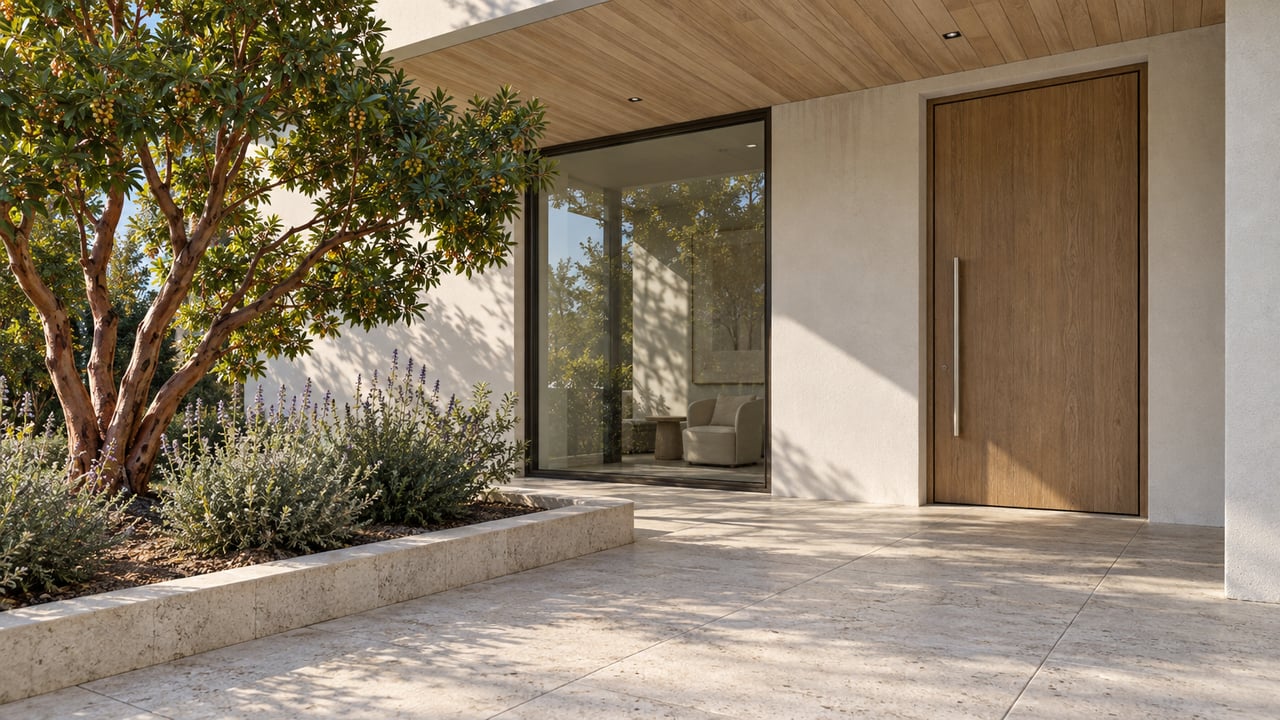
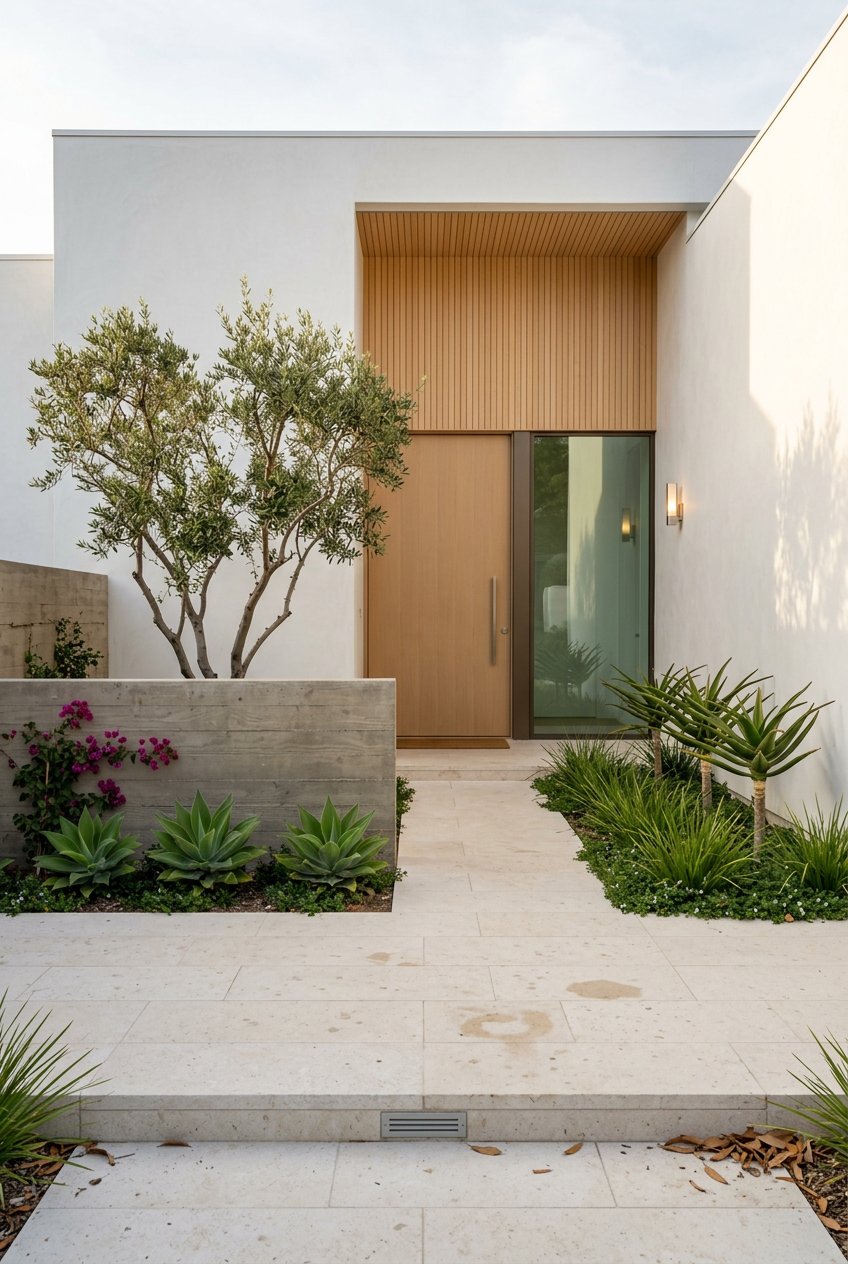
- Choose low-water, salt- and drought-tolerant plants that thrive by the ocean. Native and coastal species signal low maintenance and smart water use. Explore options through the California Native Plant Society, such as the coastal species profiled by the CNPS Yerba Buena chapter.
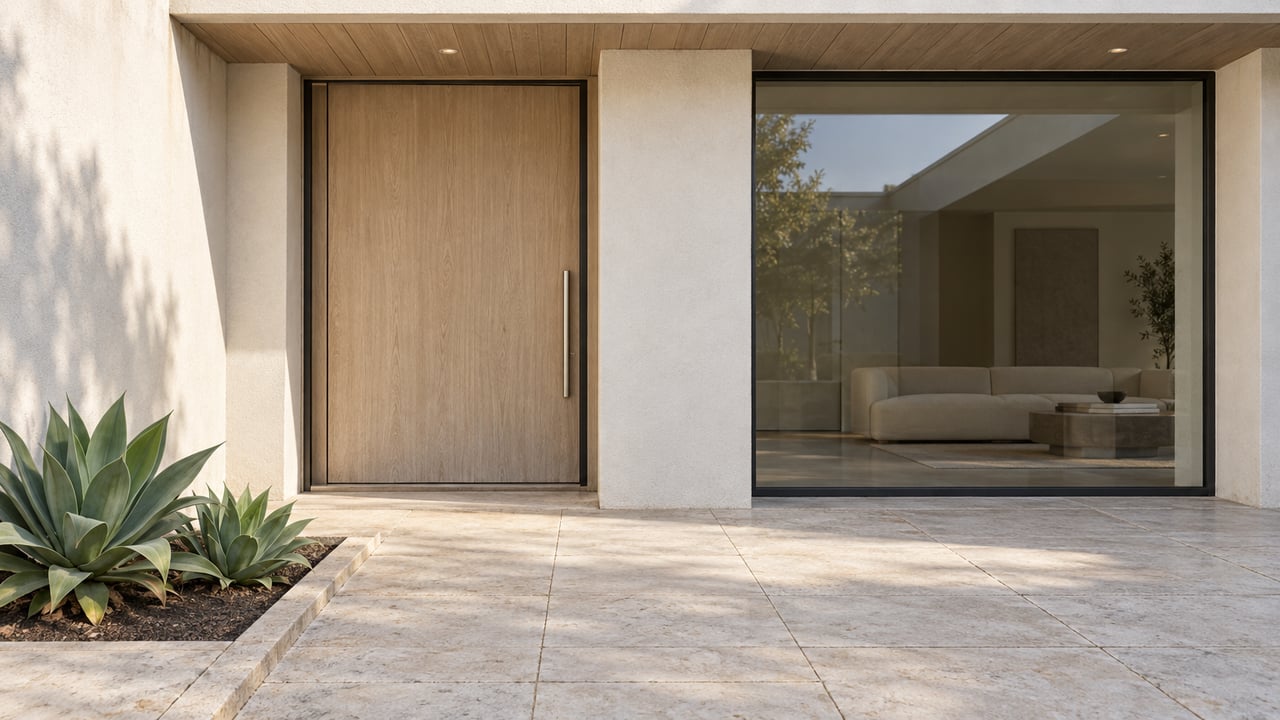
- Refresh hardscape. Pressure wash paths and the driveway, and repair cracks. Add warm, low-level exterior lighting to guide evening arrivals.
- Update entry details. Replace weathered house numbers, door hardware, and mail slots with corrosion-resistant finishes.
- Check permits early for frontage changes. Fences, driveways, or major hardscape adjustments may require city review. Santa Monica’s planning and building portals are a smart first stop for guidance and contacts (city process explainer).
Light, airflow, and the marine layer
Morning marine layer is normal on the coast. “May Gray” and “June Gloom” often yield to bright afternoons and steady onshore breezes. Schedule photography and open houses to capture your home at its best light. On gray mornings, aim for late morning to afternoon; golden hour exterior shots can feel magical. Learn more about the pattern in this June Gloom explainer.
Inside, make bright and airy your theme:
- Deep clean windows and replace heavy curtains with light sheers.
- Remove dark or nongenuine window films that dull natural light.
- Service ceiling fans and light fixtures so they look fresh and work quietly.
Noise management that builds confidence
Address noise honestly and show your solutions.
- Be aware of local context. The city’s public planning tracks the Santa Monica Airport’s future and transition planning. You can stay informed through the Future of Santa Monica Airport Project. If relevant to your location, have records of upgrades like double-pane windows, solid-core doors, or strategic landscaping.
- Plan repairs with city rules in mind. Santa Monica enforces construction-noise hours. Share the city’s construction-noise guidance with contractors and schedule louder work well before your first showings.
- Stage a quiet retreat. Create one restful, street-buffered bedroom setup and highlight daytime photos that show calm, sunlit interiors.
Outdoor living that sells the lifestyle
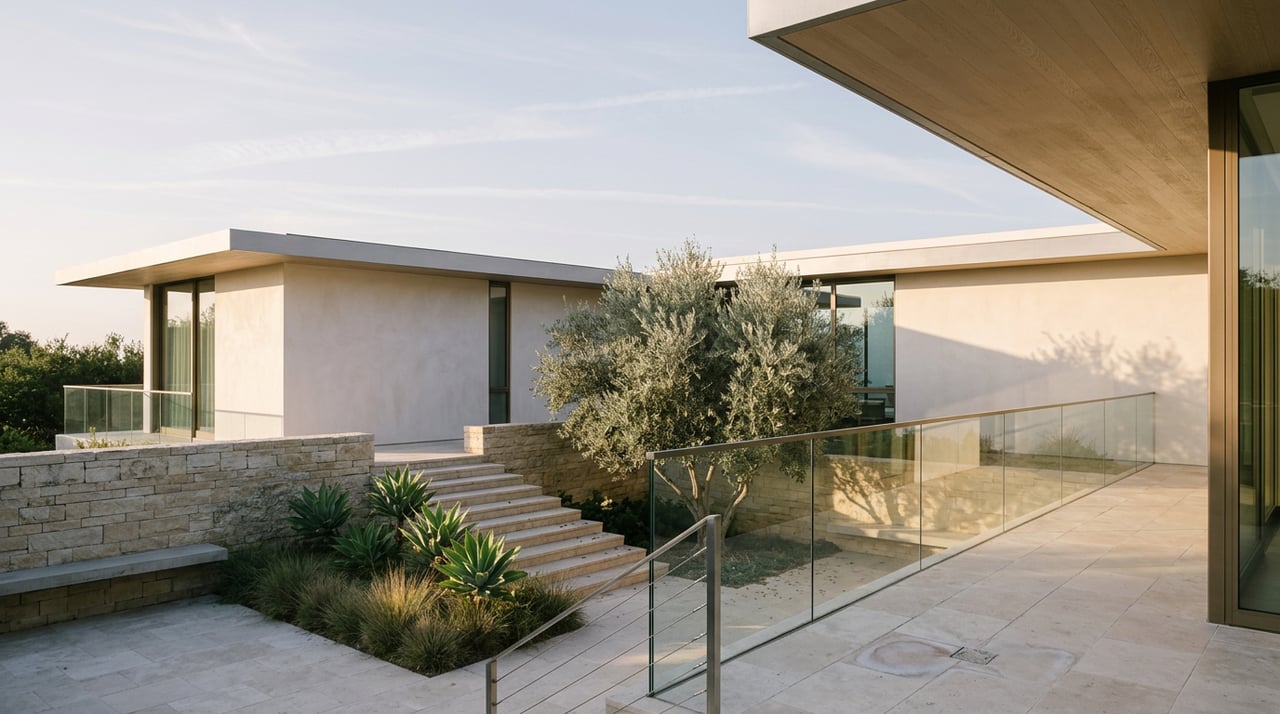
Coastal buyers want a home that lives outside as well as in. Even a compact balcony or courtyard can feel like an extra room.
- Stage for function. Add scaled seating, a slim bistro table, an outdoor rug, and a few planters. Keep textiles neutral and weather-friendly.
- Lead with the right rooms. Per NAR staging data, the living room, primary bedroom, kitchen, and outdoor seating deliver the most impact. Use light woods, linen textures, and simple artwork for a modern coastal look.
- Be location-aware in your visuals. When possible, include a hero exterior image that frames proximity to a recognizable asset like the Pier, Third Street Promenade, Ocean Avenue, or a tree-lined stretch of Montana Avenue. Never misrepresent distances.
Materials that stand up to salt air
Salt air can accelerate corrosion on exposed metal and shorten the life of finishes. A few targeted upgrades can reassure buyers that your home is ready for coastal living.
- Choose corrosion-resistant hardware and fasteners. Stainless steel, hot-dip galvanized, and manufacturer-rated coastal finishes perform better outside. Construction standards recommend corrosion-protected materials for coastal exposure, as outlined in this construction standards guidance.
- Refresh protective coatings. Use exterior paint systems rated for marine environments, re-seal wood decks, and check screens for rusted frames or torn mesh.
- Tackle small tells. Replace oxidized door handles, rusted hose bibs, deck screws that have stained boards, and peeling trim paint.
Flood and sea-level due diligence
Before listing, confirm your property’s flood profile so there are no surprises in escrow.
- Run an address lookup in FEMA’s Flood Map Service Center. If your parcel is in a Special Flood Hazard Area, buyers may need flood insurance. Knowing the mapped zone early helps lenders and insurance conversations.
- Review NOAA’s Sea Level Rise Viewer for a visual of local scenarios and high-tide flooding context. Share these resources in your disclosure packet so buyers can run their own checks.
Keep these points advisory. Flood designations can vary block by block, so rely on address-level lookups rather than assumptions.
Permits and local approvals
Santa Monica updated its Local Coastal Program Land Use Plan in 2018, and the California Coastal Commission may retain relevant review in parts of the coastal zone until the city’s implementation plan is fully certified. Some exterior work can qualify as “development” and may require a Coastal Development Permit in addition to building permits. You can read the city’s overview of the Local Coastal Program update here.
Best practice:
- Confirm permit status for prior alterations before listing.
- Consult Santa Monica Planning and Building early for fences, driveways, additions, grading, or anything that could affect setbacks or access (city process explainer).
- If applicable, review HOA rules to avoid marketing features that require approval.
A prioritized pre-list checklist
Focus first on the projects buyers notice most, then refine.
High-impact first steps
- Deep clean, declutter, and neutralize paint in key rooms. Prioritize the living room, primary bedroom, kitchen, and outdoor areas using NAR’s staging priorities.
- Boost curb appeal. Pressure wash hardscape, trim street-facing plants, add warm pathway lighting, and replace weathered exterior hardware with corrosion-rated finishes.
- Fix obvious maintenance items. Address oxidized fixtures, peeling paint, and warped deck boards so the home feels cared for.
Medium-impact, next 1 to 4 weeks
- Stage outdoor living. Create a usable balcony, terrace, or patio setup that fits the price tier and market expectations in Santa Monica. For context on buyer expectations at this price point, review local market snapshots.
- Time your photography. On marine-layer days, schedule photos late morning to afternoon. Add golden hour exterior shots to underline lifestyle appeal. Learn the pattern in this weather explainer.
- Complete flood checks. Run FEMA and NOAA lookups and, if needed, secure a preliminary flood insurance quote to support smooth lending (FEMA map center, NOAA viewer).
Lower-cost finishing touches
- Add subtle coastal textures like woven baskets or a neutral throw. Keep surf and beach gear neat and contained.
- Prepare a one-page neighborhood sheet with accurate walking times to the beach, the Promenade, Montana Avenue, and nearby transit or bike routes. Avoid vague descriptors.
Photography that tells a coastal story
Your images should feel bright, calm, and connected to the outdoors. Aim for wide compositions that emphasize openness and view corridors, and include at least one exterior lifestyle image that orients the home within Santa Monica’s walkable fabric. Keep interiors minimal and curated so buyers can imagine their own life unfolding there.
Final thoughts
Santa Monica buyers want the best of coastal living without the upkeep headaches. When you lead with light, quiet, outdoor function, and coastal-ready materials, you deliver the experience they value. Back it up with smart staging in the rooms that matter most, accurate neighborhood context, and early due diligence on permits and flood mapping. That combination can shorten time on market and help you secure stronger offers in a competitive, high-amenity city.
If you are planning to list this season and want a calm, high-touch process, connect with Susan Cosentino. We will help you prioritize, stage, and launch with confidence.
FAQs
What rooms should I stage for Santa Monica buyers?
- Focus on the living room, primary bedroom, kitchen, and outdoor spaces, which NAR data identifies as the most influential for buyers.
How do I handle marine-layer light on photo day?
- If the morning is gray, schedule photos for late morning to afternoon when skies often clear, and add golden hour exteriors for warmth and lifestyle appeal. See this weather explainer.
Do I need special permits for exterior changes near the beach?
- In Santa Monica’s coastal zone, some projects can require a Coastal Development Permit in addition to building permits. Review the city’s Local Coastal Program update and consult Planning early.
How can I show buyers my home is resilient to salt air?
- Replace exterior hardware with corrosion-resistant finishes, refresh marine-rated paints and sealants, and document any upgrades. See this construction standards guidance on corrosion-resistant practices.
Where do I check my property’s flood status before listing?
- Use FEMA’s Flood Map Service Center for official mapping and NOAA’s Sea Level Rise Viewer for local context. Share results in your disclosure packet so buyers can verify.