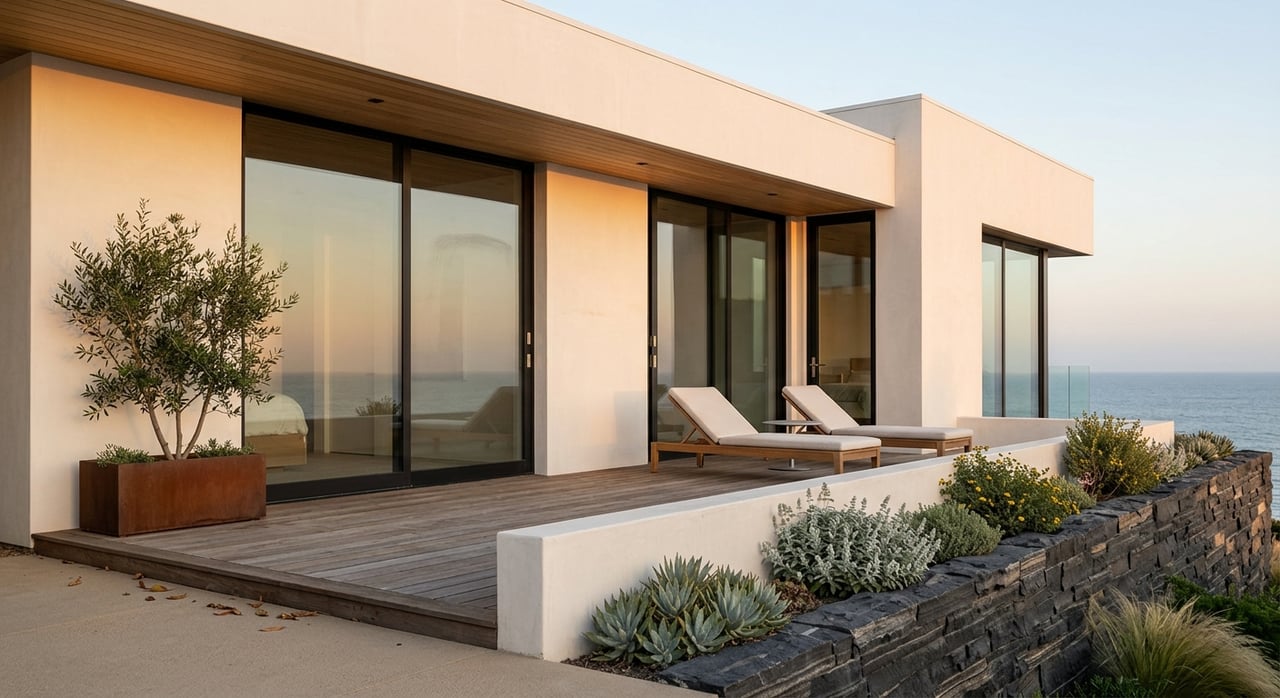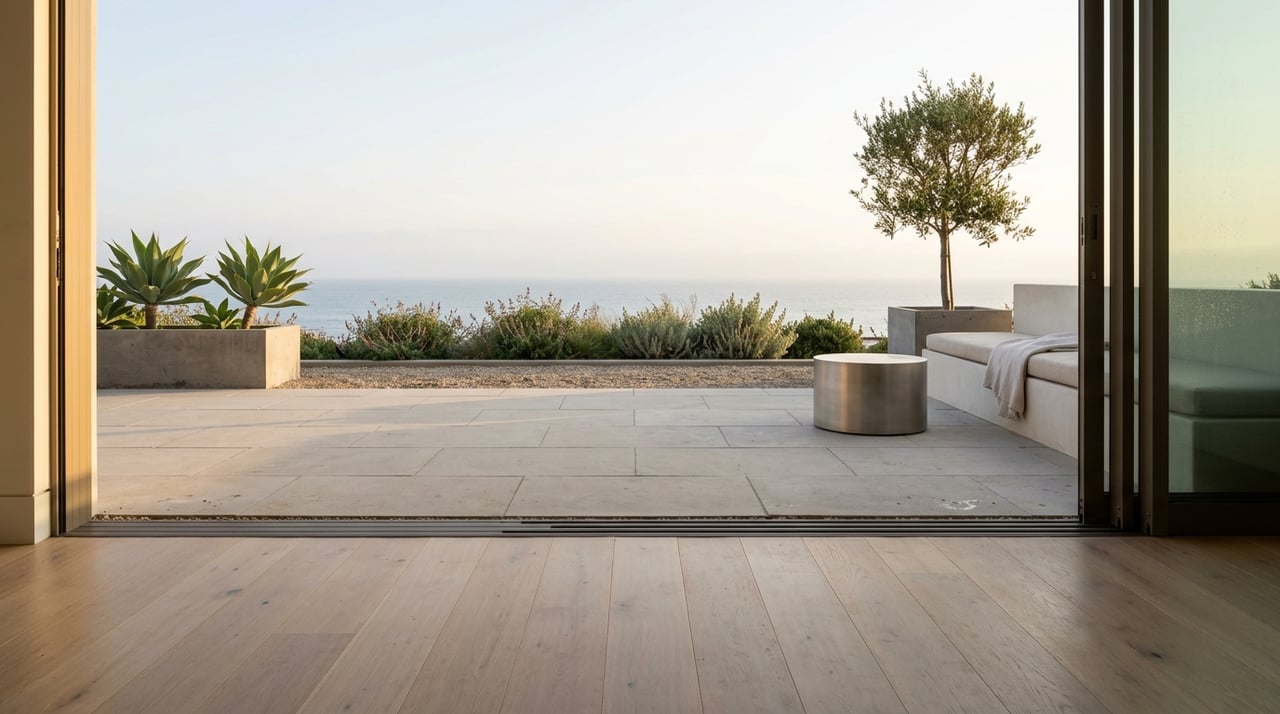
Is the ocean view worth it if the inside never truly feels quiet? In Santa Monica, daily life can come with traffic on PCH, energy from the Pier and Promenade, and seasonal tourist buzz. You want calm without giving up sunlight or a view. In this guide, you’ll learn how to dial down exterior noise with coastal-grade materials and smart upgrades that last in salty air. Let’s dive in.
Why soundproofing matters in Santa Monica
Living near the coast brings unique sounds: vehicles along Pacific Coast Highway and Ocean Avenue, activity around the Santa Monica Pier and Third Street Promenade, and occasional flight noise. Wind and surf can add to the backdrop, especially in peak seasons. Over time, that constant mix can affect sleep and comfort.
Reducing noise indoors supports well-being, according to public health research, and it is a selling point in premium coastal markets. Buyers often want quiet interiors without losing views, so acoustic upgrades that preserve glass and light have strong appeal.
Set your noise goals
Two metrics help you plan effectively. STC, or Sound Transmission Class, tells you how well a window, door, or wall stops airborne noise. Higher is better. Typical single-pane windows might be STC 18 to 25, standard double-pane around 28 to 35, and laminated or triple-pane systems can reach 35 to 45 plus. For bedrooms facing busy roads, aim for STC 40 or higher.
Also consider interior noise levels in decibels. A practical target for restful bedrooms is the low 30s dB(A) at night when feasible. Use those guideposts to choose products and verify results after installation.
Start with windows that preserve views
Windows are often the biggest pathway for exterior noise and the most important feature to protect your view. Focus here first for the best impact.
Choose the right glazing
- Laminated acoustic glass increases mass and reduces mid to high frequencies from traffic. It also helps reduce rattles.
- Standard double-pane units can be improved by using one laminated pane or thicker glass and a larger air gap.
- Triple-pane or specialty acoustic packages push performance higher when you need more reduction.
- Secondary glazing, mounted on the interior with a sealed air cavity, is a strong option when exterior changes are limited.
Mind the air gap and frames
A larger gap between panes, often 3/4 inch to 1 inch or more, improves low-frequency performance. Installation quality is critical. Even a high-STC unit can underperform if the frame is leaky, the seals are poor, or thermal breaks introduce gaps. Request installation details that prioritize airtightness and proper shimming.
Select coastal-rated materials
Salt air accelerates corrosion. Choose vinyl, fiberglass, or powder-coated or anodized aluminum frames, along with stainless steel hardware. Use marine-grade sealants and keep weep holes clear so moisture can drain. Good drainage protects seals and preserves long-term acoustic performance.
Address sliding doors and patios
Sliding glass doors are common in coastal homes but can be weak points. Consider acoustic sliding systems with laminated glass and upgraded seals, or replace sliders with hinged patio doors when design allows. Use corrosion-resistant thresholds and adjustable bottom seals to maintain consistent compression over time.
Quiet the doors you use daily
Exterior doors should be solid core with quality perimeter seals and threshold weatherstripping. This simple upgrade can noticeably reduce street and porch noise. Use stainless or corrosion-resistant strikes and sweeps, then check and adjust compression periodically to maintain a tight, quiet seal.
Strengthen walls, ceilings, and floors
Once windows and doors are addressed, improvements to assemblies can fine-tune results.
- Add mass with extra layers of gypsum board, ideally with a damping compound between layers to reduce vibration.
- Decouple with resilient channels or sound isolation clips to limit sound transfer through framing. This is more invasive and typically contractor-driven.
- Fill cavities with dense mineral wool or high-density fiberglass to reduce airborne noise.
- For roof and ceiling paths near busy roads, consider upgrading attic insulation. Floating underlayment and soft finishes such as carpet help with impact noise and add a bit of airborne absorption.
Seal the hidden sound paths
Noise finds the weak spots. Look at HVAC and mechanical penetrations to prevent flanking.
- Use duct silencers, lined flex duct near bedrooms, or sound attenuators where practical.
- Relocate noisy equipment away from sleeping areas when possible.
- Seal gaps around pipes, conduits, and vents with acoustic caulk. Choose insulated, acoustically mindful vent transitions.
- If you are sealing the home more tightly with new windows, plan for mechanical ventilation to maintain indoor air quality. Quiet ERV or HRV solutions can help you keep windows closed while still getting fresh air.
Low-cost adds that help
Soft materials reduce echo and make rooms feel more serene, even if they do not stop low-frequency traffic noise.
- Heavy drapes and acoustic curtains offer modest reduction for mid to high frequencies around windows.
- Layer rugs and use upholstered furniture to absorb interior reflections.
- Place bookcases along shared walls or add acoustic panels to target noisy reflections.
- Consider exterior landscaping like dense hedges or freestanding walls to diffuse noise before it reaches the façade. In view-sensitive locations, balance visual goals with acoustic gains and check local guidelines.
Plan for coastal durability
Coastal conditions require products that can stand up to humidity and salt. Select frames and hardware designed for marine exposure, and use UV-stable, marine-grade sealants. Ensure proper flashing and drainage so water does not get trapped around frames and sills.
Expect seals and weatherstripping to age in salt air. Build a maintenance routine that includes yearly inspections and timely replacements. When comparing products and contractors, ask about coastal-use warranties and what is covered, including seal failure and corrosion.
Permits, HOA, and the local process
In Santa Monica, exterior changes typically require permits, and some homes may be subject to design review, especially in historic or regulated areas. Window replacements that alter openings or the exterior appearance often need approval. If you are in a condo or multifamily building, check CC&Rs and obtain HOA approval before you commit to exterior modifications.
Santa Monica also enforces municipal noise regulations that define daytime and nighttime limits. These can help frame a mitigation plan or document existing conditions when you engage professionals.
Who to involve
For high-exposure sites near major arterials, involve an acoustical consultant to identify targets and specify assemblies. For glazing, hire a window contractor with acoustic and coastal installation experience. A licensed contractor can handle wall and ceiling upgrades and ensure waterproofing details are correct. An HVAC contractor can add silencers, re-route equipment, and set up mechanical ventilation for quieter, healthier air.
Budget, ROI, and resale appeal
Think in tiers as you plan.
- Low-cost: weatherstripping, door sweeps, curtains, and rugs. Expect modest but noticeable improvements.
- Medium-cost: acoustic window retrofits and secondary glazing, solid-core doors, and upgraded seals. These typically deliver substantial reductions and help energy efficiency.
- High-cost: full acoustic window replacements and advanced wall or ceiling assemblies with damping and decoupling. These provide the largest performance gains.
Window upgrades in particular can enhance energy efficiency and UV protection while preserving views. Quieter interiors are marketable, and in coastal neighborhoods where lifestyle drives value, well-executed acoustic improvements can help your home stand out.
Santa Monica coastal project checklist
- Walk and listen in each key room at different times, including rush hour, late evening, and weekends.
- Log short-term sound levels or bring in an acoustical consultant to quantify goals when exposure is high.
- Prioritize windows and doors first. Address HVAC paths and other flanking routes next.
- Select coastal-ready frames, hardware, and marine-grade sealants for durability.
- Confirm permits with Santa Monica Building and Safety, and secure HOA approval if applicable.
- Hire experienced contractors with coastal references and ask for examples of similar installations.
- Verify results with before and after interior measurements to confirm performance.
- Set a maintenance plan to inspect seals, gaskets, and drainage at least annually.
Ready to create a calmer coastal home without sacrificing what you love about Santa Monica? Thoughtful acoustic planning and coastal-grade materials can deliver quiet bedrooms, peaceful living areas, and strong resale appeal. When you are ready for a personalized plan and contractor introductions, connect with Susan Cosentino for local guidance from assessment to installation. Let’s chat and schedule a time to connect.
FAQs
What are the best window upgrades for traffic noise near PCH in Santa Monica?
- Aim for laminated or multi-pane acoustic glazing with a larger air gap and well-sealed, coastal-rated frames. Target STC 40 or higher for bedrooms facing busy roads.
Do I need a permit in Santa Monica to replace windows for soundproofing?
- Many exterior window changes require permits, and alterations to openings or façade appearance may trigger design review. Check with Building and Safety and your HOA first.
How much can secondary glazing help compared to full replacement?
- Properly sealed secondary glazing with a meaningful air gap can rival or exceed standard double-pane units, offering strong reductions when exterior replacement is limited.
Will heavy curtains alone make a big difference in a coastal home?
- Curtains help mid to high frequencies and improve room comfort, but they do little for low-frequency traffic noise. Pair them with upgraded windows and seals for real impact.
How do I verify that my soundproofing worked after installation?
- Measure interior levels before and after with a calibrated meter or hire an acoustical consultant. Compare readings in the same rooms at similar times.
How does salt air affect acoustic performance over time?
- Salt and moisture degrade seals and corrode hardware, which can increase noise leaks. Choose coastal-rated materials and plan regular inspections and replacements.