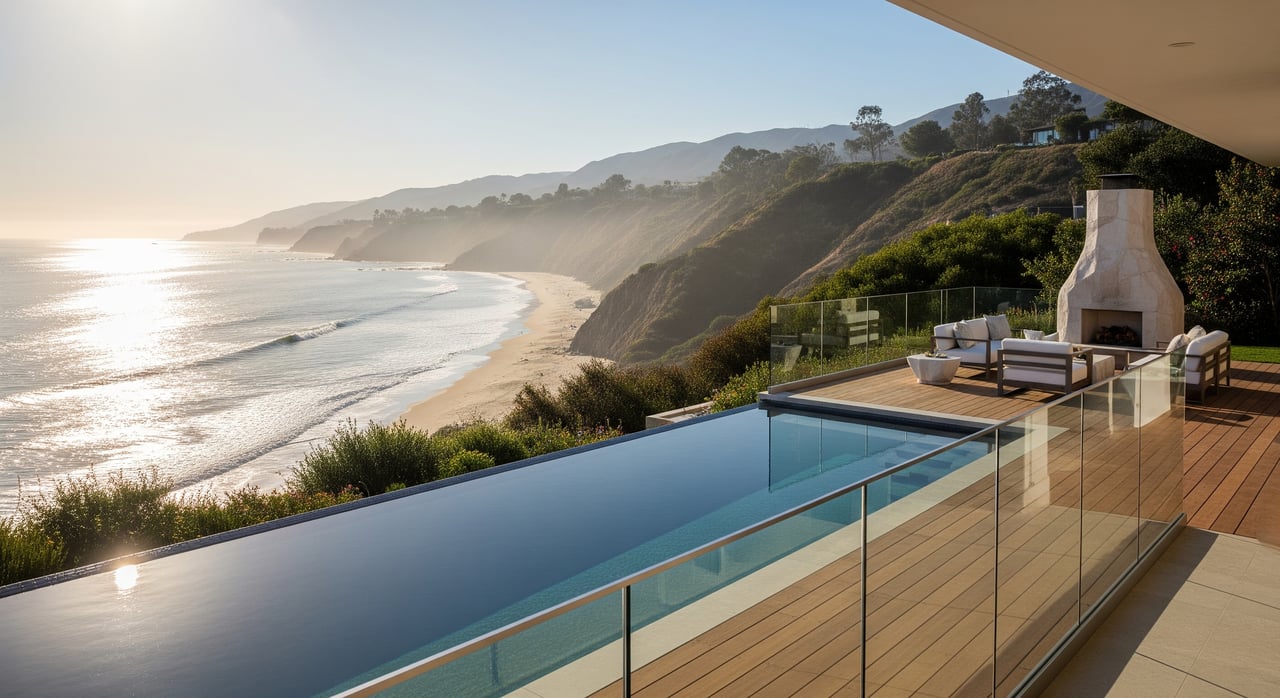
Do you picture cool, misty mornings by the surf or warm, sunny afternoons tucked into a quiet canyon? In Malibu, those two experiences can happen on the same day just a few miles apart. If you are choosing between beach and canyon living, understanding the local microclimates will help you pick the right fit for your lifestyle and your home’s long-term care. In this guide, you will learn how weather patterns affect daily comfort, maintenance, insurance, and value so you can move forward with confidence. Let’s dive in.
Why Malibu has microclimates
Malibu’s narrow coastline is backed by the Santa Monica Mountains, so ridges, canyons, and bluffs create pockets of distinct weather. Ocean air moderates temperatures right on the beach, while canyons can heat up during the day and cool quickly at night. Orientation, elevation, and shelter from wind all matter.
A few drivers shape what you feel day to day:
- Marine layer and coastal fog: NOAA explains the coastal marine layer and why spring and early summer often bring gray mornings that clear later in the day. More fog and humidity linger along the shore. NOAA explains the coastal marine layer.
- Santa Ana winds: Hot, dry winds from inland can raise temperatures fast and lower humidity, especially in canyons aligned with offshore flow. These events also elevate wildfire potential. See NWS guidance on Santa Ana winds.
- Ocean moderation and salt: The shoreline experiences smaller temperature swings but higher humidity and more airborne salt. Salt exposure drops as you move inland or find topographic shelter.
In practical terms:
- Temperature: Beaches feel milder most days. Canyons are often warmer in the afternoon and cooler at night.
- Humidity and fog: Higher at the beach. Drier and clearer in many canyons.
- Wind: Ocean-facing homes and ridgelines are windier. Sheltered canyon floors are calmer.
- Risk exposure: Canyons and slopes carry more wildfire exposure. Beachfront homes face salt, wind, and long-term coastal processes.
Beach vs canyon daily life
Comfort and outdoor time
- Beach: Expect cool mornings, frequent marine layer, and fewer temperature extremes. If you prefer sweater mornings and mild summer highs, the beach suits that rhythm.
- Canyon: You get more sun and warmth during the day with crisp evenings. During Santa Ana events, conditions can feel hot, dry, and dusty.
Outdoor amenities respond differently. Pools heat faster in sunny canyons. Beach patios may need wind screens and flexible shade for late-day sun after fog burns off.
Sun and solar potential
Orientation matters. South and west canyon slopes get strong sun and can brighten interiors. Beach homes often enjoy glowing sunsets, but morning production for solar panels can dip when the marine layer is thick. Clear, sun-exposed canyon roofs tend to produce more consistently across seasons.
Humidity and indoor air
Coastal humidity and fog can lead to condensation on windows and exterior surfaces, especially in shaded or poorly ventilated areas. Good ventilation helps reduce mold and mildew risk. For best practices, see EPA guidance on moisture and mold.
Canyons often have lower relative humidity but can trap smoke and particulates during wildfire events. High-efficiency filtration and portable HEPA units can help when air quality is poor.
Wind, noise, and privacy
Ocean-facing homes and ridgelines feel stronger winds, which can affect outdoor dining, garden choices, and furniture selection. Canyon bottoms can be far calmer. Surf noise can be part of the beach experience, while many canyons offer a quieter soundscape with more privacy.
Plants, pests, and allergens
Beach landscaping favors salt- and wind-tolerant species. Canyon areas with chaparral and ornamental plantings may see more seasonal allergens and different pest activity. Choose plant palettes and maintenance plans suited to your microclimate and fire safety needs.
Home impacts and upkeep
Salt corrosion near the surf
Airborne salt accelerates corrosion on exterior metals, fasteners, railings, HVAC fins, and some fixtures. On the beach, you will likely choose stainless or coated hardware and plan for regular rinsing and inspections. Expect shorter maintenance cycles for unprotected metals.
Paint, wood, and finishes
Coastal moisture and salt can shorten the life of exterior paint and wood finishes. In canyons, strong sun on south and west facades also ages finishes faster. Plan repainting and resealing cycles based on exposure, not the calendar.
Roofing and solar on the coast and hills
Wind and salt call for diligent roof checks. Secure flashing and tie-downs on wind-exposed ridges, and use corrosion-resistant mounts for rooftop equipment. Solar in coastal zones benefits from marine-grade hardware and occasional cleaning to remove salt residue.
Windows and doors
Look for pitting on metal frames and hardware near the beach. Fogging between panes often signals failed seals. In shaded coastal zones, swollen wood frames can point to chronic dampness.
HVAC and filtration
Coastal systems need more frequent cleaning of outdoor condensers and filter changes to keep efficiency high. Canyon systems may be sized for higher cooling loads. During wildfire smoke events, consider higher MERV filters or portable HEPA units to maintain indoor air quality.
Moisture and drainage
Beach homes in foggy or high groundwater zones need careful flashing, grading, and waterproofing. Hillside canyon homes must prioritize drainage, retaining wall upkeep, and erosion control to prevent washouts during heavy rains.
Wildfire and defensible space in canyons
Large portions of the Santa Monica Mountains are designated Very High Fire Hazard Severity Zones. Review the Cal Fire Fire Hazard Severity Zone maps and create defensible space around canyon properties. Start with Cal Fire defensible space guidance.
Bluffs, erosion, and beachfront risk
Coastal bluffs experience long-term erosion, which can affect setbacks and stability. Before purchasing a bluff-top property, review geotechnical reports and research regional trends through USGS resources on coastal erosion. For broader context on sea-level rise and coastal policy, see the California Coastal Commission sea-level rise resources.
Utilities and septic
Some canyon or hillside parcels use private septic systems or specialized drainage. Always verify utility connections and maintenance records during due diligence. Requirements and jurisdictions can vary by parcel.
Buying and selling tips
Value tradeoffs to consider
- Beach: Ocean views and immediate access are major value drivers. Balance that desirability with higher maintenance from salt and wind, plus coastal hazard and insurance considerations.
- Canyon: Privacy, sun, and lower salt exposure are strong draws. Factor in higher wildfire exposure and larger temperature swings.
Your lifestyle preferences should guide the choice. If you want milder weather and morning walks on the sand, beach living may win. If you prioritize sunshine, privacy, and pool time, a canyon home might be the right fit.
Insurance and financing
Wildfire exposure affects homeowners insurance availability and premiums across California. Review current guidance with the California Department of Insurance wildfire resources. Coastal flood zones, wave run-up, and bluff erosion can also influence insurance and lender requirements. Ask for natural hazard disclosures early.
Pre-offer and inspection checklist
Request or inspect the following before you commit:
- Local weather patterns affecting the property, including fog frequency and Santa Ana exposure.
- Recent insurance quotes, mitigation steps, and any nonrenewal history.
- Full building inspection plus specialists as needed:
- Corrosion check for exterior metals, railings, HVAC, and solar mounts.
- Roof inspection for wind exposure, flashing, and tie-downs.
- Window and door seal assessment for fogging or swelling.
- Moisture and mold inspection in shaded or low-ventilation areas.
- Drainage, retaining wall, and erosion review by civil, geotechnical, or structural experts for hillside or bluff sites.
- Wildfire mitigation audit for defensible space and ember resistance.
- Septic system inspection and maintenance records where applicable.
- Coastal bluff stability report for bluff-top or erosion-prone properties.
Local resources to use
- Track marine layer and wind patterns through NOAA and the NWS for context on seasonal variability. Start with the links above.
- Use Cal Fire Fire Hazard Severity Zone maps and defensible space guidance to plan risk reduction.
- For coastal bluff regulation and permitting questions, consult Los Angeles County planning and the California Coastal Commission resources linked above.
Putting it together
Choosing between Malibu’s beach and canyon microclimates is about aligning daily life with the home you own. The beach rewards you with moderated temperatures and ocean access, with a maintenance plan tuned for salt and moisture. The canyons offer sun, privacy, and space, balanced by proactive wildfire preparation and smart drainage.
If you want a calm, guided process that blends lifestyle goals with practical due diligence, our boutique team is here to help. We will walk you through microclimate tradeoffs, inspections, and disclosure details so you can move forward with clarity. Connect with Susan Cosentino to start a focused search or prep your property for the market.
FAQs
How do Malibu beach and canyon temperatures compare?
- Beach areas are typically milder with smaller daily swings, while canyons often run warmer in the afternoon and cooler at night. Differences vary by weather and can be several degrees or more.
What should I expect from marine layer if I live near the beach?
- In spring and early summer, morning low clouds or fog are common and often clear later in the day. This pattern moderates temperatures and can reduce morning solar output.
How do Santa Ana winds affect canyon living?
- Santa Anas bring hot, dry conditions that can feel intense in canyons and increase wildfire potential. Plan for defensible space and indoor air filtration during smoke events.
Will salt air increase maintenance on a beachfront home?
- Yes. Salt accelerates corrosion on metal fixtures, railings, HVAC fins, and some finishes. Use marine-grade materials and schedule regular rinsing and inspections to extend service life.
What inspections matter most for a canyon hillside home?
- Prioritize drainage, retaining walls, erosion control, and wildfire mitigation. Add a roof and window seal check, plus general systems and structural inspections.
How do microclimates influence home insurance in Malibu?
- Wildfire exposure in canyons and coastal hazards on the beach can affect insurance availability and cost. Review current guidance and shop coverage early in your process.